
A hotpot brand you can explore
Discover JIHE’s approach to broth, ingredients and dining through the menu, real restaurants and photographs of daily operations.
FRANCHISE WITH JIHE
Start with broth, ingredients and quality. Clarify your format, team and costs, then discuss the opening and operating support that fits your plans.
Tell us where you hope to open. Let’s start there.
WHY JIHE · A CLEAR START
Discover JIHE’s approach to broth, ingredients and dining through the menu, real restaurants and photographs of daily operations.
Start with the site, funding and your operating role. Keep efficient staffing and manageable costs in view, giving your preparation a clearer direction.
Menus, locations, brand stories and franchise enquiries come together online, helping guests discover JIHE before a visit and future partners find a way to connect.
SUPPORT MAP · OPENING & OPERATIONS
Design, procurement, quality and operations are key areas to discuss together. Service scope, responsibilities and fees will be confirmed in writing before the partnership begins.
Organize site selection, partnership terms, preparation and opening milestones into a practical work plan.
Confirm:Contacts, decision owners, milestones, documents and fees at each stage.
Confirm during consultationDiscuss format, seating, service flow, kitchen, equipment and construction interfaces.
Confirm:Brand, designer and owner responsibilities; drawings, quotations, schedule and acceptance.
Confirm during consultationMap preparation, cooking, service and readiness checks, including training and trial-opening needs.
Confirm:Whether training or on-site assistance is offered, for whom, for how long, and any service or travel fees.
Confirm during consultationMap broth, ingredient and consumable needs, with clear ordering, storage and inventory responsibilities.
Confirm:Required or independent sourcing, delivery coverage, minimum orders, prices, shortages and returns.
Confirm during consultationInclude quality checks, equipment maintenance, issue reporting and corrective action in the operating plan.
Confirm:Actual headquarters support, visit frequency, contacts, response arrangements and maintenance costs.
Confirm during consultationReview staffing against format and opening hours, then assess profit and loss using guest numbers, average spend, rent, ingredients and payroll.
Confirm:Staffing and financial assumptions, owner involvement, recruitment, scheduling and working-capital needs.
Confirm during consultationDiscuss new-store visibility and day-to-day updates through the website’s menus, locations and brand stories.
Confirm:Responsibilities for information updates, brand assets, local marketing, system fees and publishing schedules.
Confirm during consultationFIVE STEPS · A SUGGESTED SEQUENCE
Get to know one another, then bring the space, team and operating preparations together, step by step. Discuss the arrangements and timing together.
Outline your area, motivation, funding position and available time. A site is not required for an initial conversation.
Consider the candidate site, rent, layout, staffing and working-capital needs together.
Confirm support, fees, responsibilities and partnership terms before deciding whether to proceed.
Use the agreed plan to coordinate design, fit-out, purchasing, team preparation and opening checks.
Review workflow, staffing, costs and guest feedback; confirm ongoing support and location-information updates.
IN THE RESTAURANT · REAL PHOTOGRAPHS
Equipment, people and ingredients offer three views into life at JIHE.
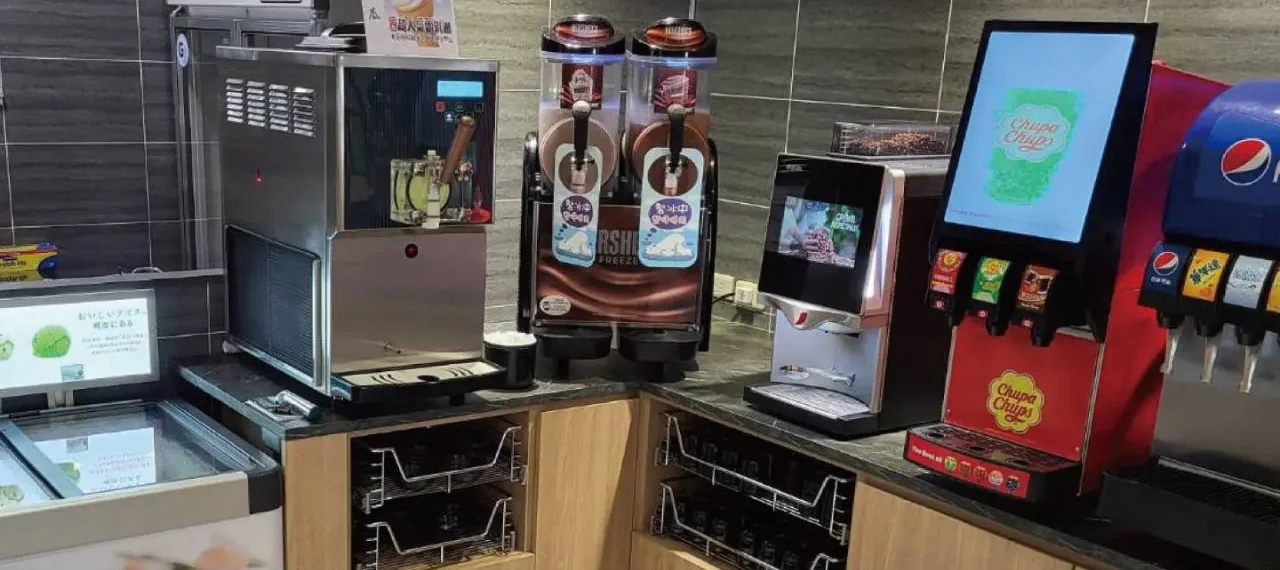
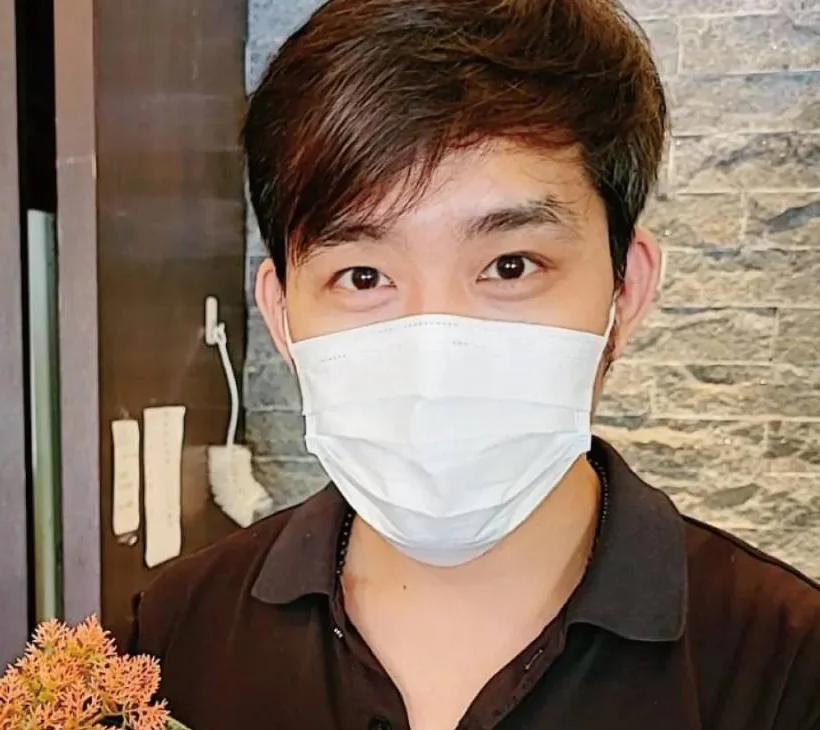
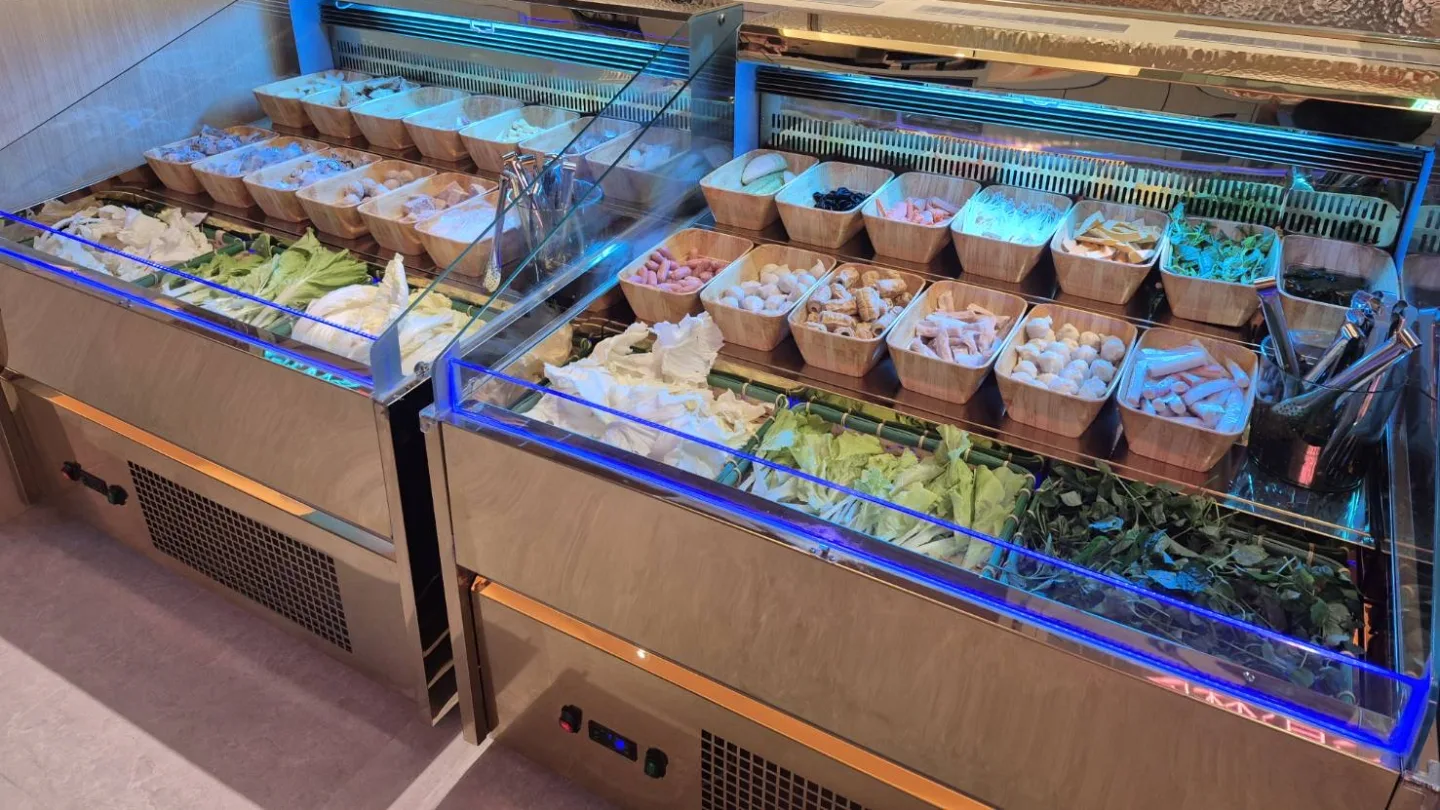
Equipment configurations and items are confirmed according to the store format and partnership plan.
Results vary with location, costs and operational commitment; actual support, fees and partnership terms follow the formal plan agreed by both parties.