
Ingredient GuideNOTE 01 · 03 IN THE SERIES
INGREDIENT FIELD
Beyond Meat and Vegetables: Map the Table by Texture
Crisp, tender, springy or broth-soaked—meet ingredients again through texture and give every round a different rhythm.
Reading settings+
Use larger text or higher contrast whenever reading would feel more comfortable.
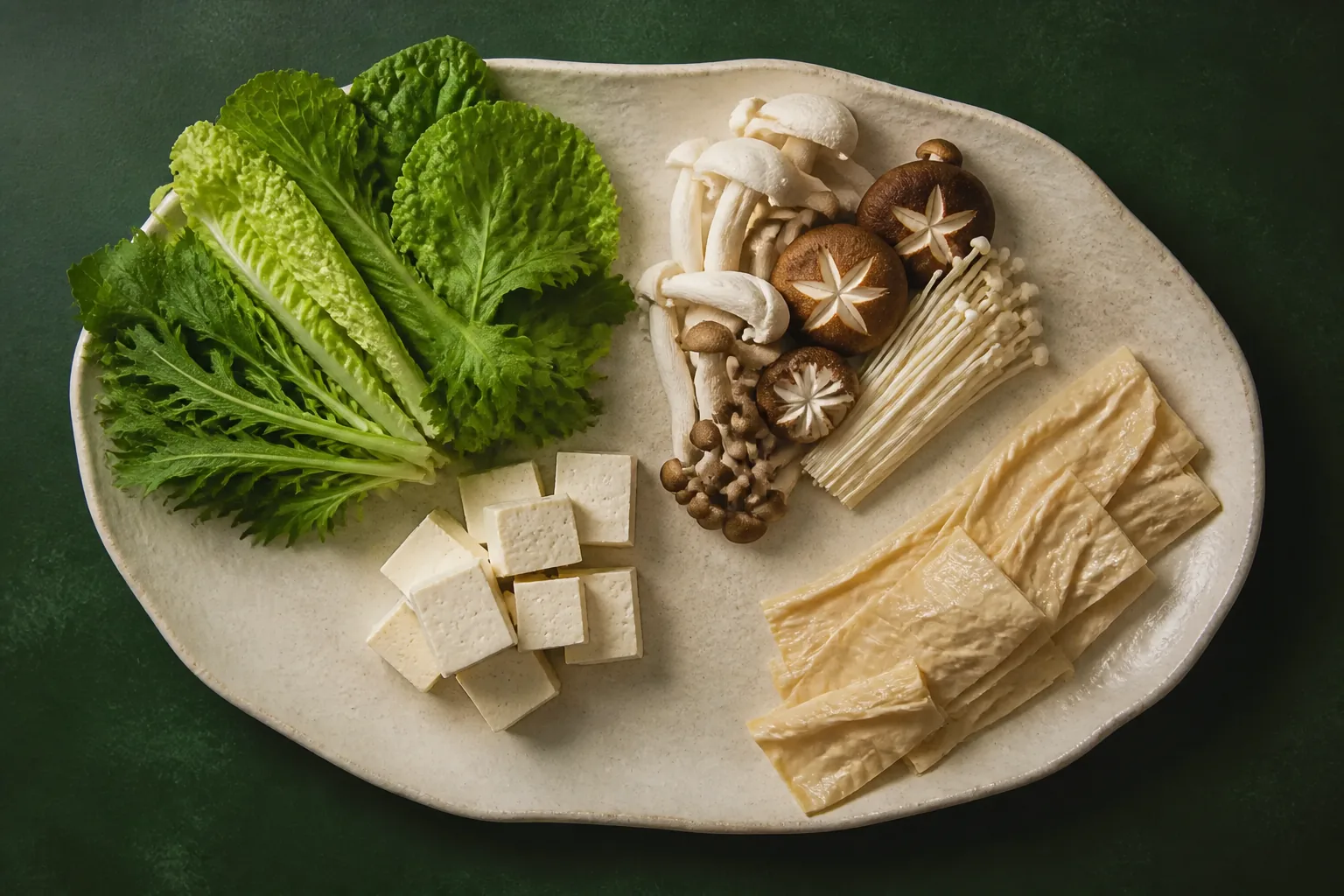
When we look across a hotpot table, we usually divide ingredients into meat, vegetables, seafood and staples. There is another way to see them: by texture. Crisp, tender, springy and broth-soaked sensations can alternate throughout a meal, giving it more rhythm than a long sequence of the same softness. Observe each ingredient as it is now. The same item, sliced thin or thick, just cooked or left a little longer, may land in a different place on the map. A texture map gives the next bite a more interesting path to follow.
Thickness Changes Texture
A crisp ingredient can wake up the act of chewing, while a tender one lets the middle of the meal slow down. Springiness gives a clear response, and something porous carries the flavors gathered in the pot into a single bite. You might add a fifth dimension—silkiness—for ingredients felt through surface and broth more than through chewing. Each word describes a different sensation. If one round has been mostly soft, choosing something crisp or springy next may create a stronger turn than simply increasing the amount of food.
Read from Edge to Center
If you are unsure where to begin, choose one ingredient for each texture and cook them in a few small rounds. Say what you hope to preserve—“I would like this to stay a little crisp,” or “I want this round to carry the broth”—then follow the guidance for the particular ingredient and confirm it is properly heated. After tasting, look back. Did the actual texture match your expectation? If not, did the difference come from the cut, the time, the state of the broth, or your original idea? Keeping each round uncrowded turns the table from a queue of tasks into a sequence of observing, adjusting and choosing again. Between rounds, a sip of broth or a fresh, light bite can reset the palate for the next texture.
Find the Right Tenderness and Aroma
Sauce can also follow texture. For an ingredient whose surface readily holds sauce, begin with a light touch at the edge of the dish. If it has already absorbed a great deal of broth, try it plain first. With a distinct bite, notice whether the sauce appears in the first second or meets the flavor inside only after you chew. Let the ingredient and broth stand in front for some bites, then add a little sauce to others. Intensity can move naturally with the course of the meal.
Leave a Little Patience for the Next Bite
To make your own texture map, write only three lines: what I expected, what I actually tasted, and what I would change in the next round. That is enough to leave a clue for another meal. The next time a table of different shapes and cuts appears before you, the map will help you recognize which texture to meet first and when to change the rhythm. If you have a dietary or allergy need, ask the team at your location to confirm current ingredients and labels before ordering.
References for this note+
For readers who would like to go further, these are the public references behind the general guidance. Menu items and in-store practice may change with current conditions.